September 09, 2026
Choosing the Right Aluminium Finish: A Practical Guide
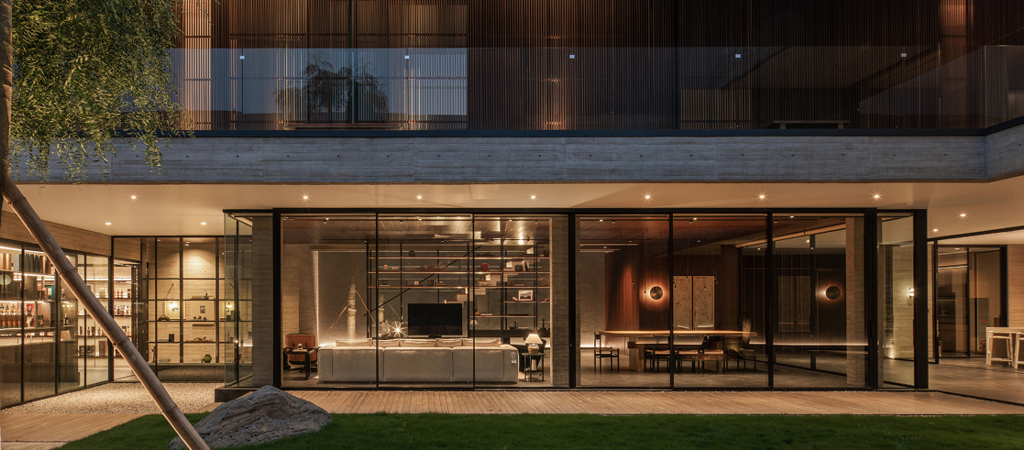
When it comes to aluminium windows and doors, the finish is often treated as an afterthought, a final layer of color chosen to match a design mood board. In reality, it's one of the most important decisions in the entire specification process. The right finish affects corrosion resistance, UV stability, maintenance requirements, and how the system performs over decades, not just how it looks on day one. This guide breaks down the most common aluminium finishes, where each one excels, and how to choose the right one for your project.
Why Finish Choice Matters Beyond Aesthetics
It's easy to think of an aluminium finish as a simple color decision, but it's one of the most consequential choices in a window or door system. The right finish determines how well a frame resists corrosion, how it ages under UV exposure, and how much maintenance it demands over decades of use, not just how it looks on installation day.
Common Finishes, Explained
The two most widely used finishes are powder coating and anodizing. Powder coating applies an electrostatically charged pigment that's cured under heat, offering a broad range of colors, textures, and finishes, including wood-grain effects. Anodizing, by contrast, is an electrochemical process that converts the aluminium's surface into a protective oxide layer, one that's part of the metal itself rather than a coating on top of it (source: Wevolver).
Pros, Cons, and Best-Use Cases
Powder coating offers wider color flexibility and lower upfront cost, making it well-suited to residential and decorative architectural applications. Anodizing, while typically 2-3x more expensive, delivers superior hardness and cannot chip, peel, or delaminate, making it the preferred choice for marine, coastal, and high-exposure environments (source: Alibaba Seller Blog).
Durability and Environmental Considerations
Both finishes are corrosion-resistant, but anodizing generally has the longer service life and better resistance to fading. Powder coating, meanwhile, is considered the more environmentally friendly process, emitting minimal volatile organic compounds during application.
A Quick Decision Guide
For coastal or high-UV sites, anodizing's integrated protection is worth the added cost. For residential and commercial projects prioritizing color matching and design flexibility, powder coating is typically the practical choice.
MiLL's Finish Options
MiLL Aluminium offers its window and door systems in Black, Grey, and White finishes, giving architects a range suited to both classic and contemporary facades. To explore which finish fits your project, reach out to the MiLL Aluminium team.