September 09, 2026
Aluminium 101: Why It’s the Material of Choice for Modern Building
The Shift Toward Aluminium
Across skylines from Jakarta to Singapore, architects are reaching for aluminium over traditional steel, timber, and uPVC. It's not a trend, it's a shift grounded in performance, sustainability, and design freedom, and it's reshaping how modern buildings are framed, clad, and glazed.
Built to Last: Durability & Weather Resistance
Aluminium's appeal starts with durability. It naturally forms a protective oxide layer that resists corrosion, allowing window and door systems to perform reliably for decades with minimal maintenance, even in humid, coastal climates like Indonesia's.
A Truly Circular Material
Sustainability is where aluminium truly stands apart. It's infinitely recyclable without any loss of structural integrity, and recycling it uses just 5% of the energy required to produce virgin aluminium (source: International Aluminium Institute). Remarkably, around 75% of all aluminium ever produced remains in use today (source: International Aluminium Institute), making it one of the most circular materials available to builders.
Strength Without the Weight: Design Flexibility
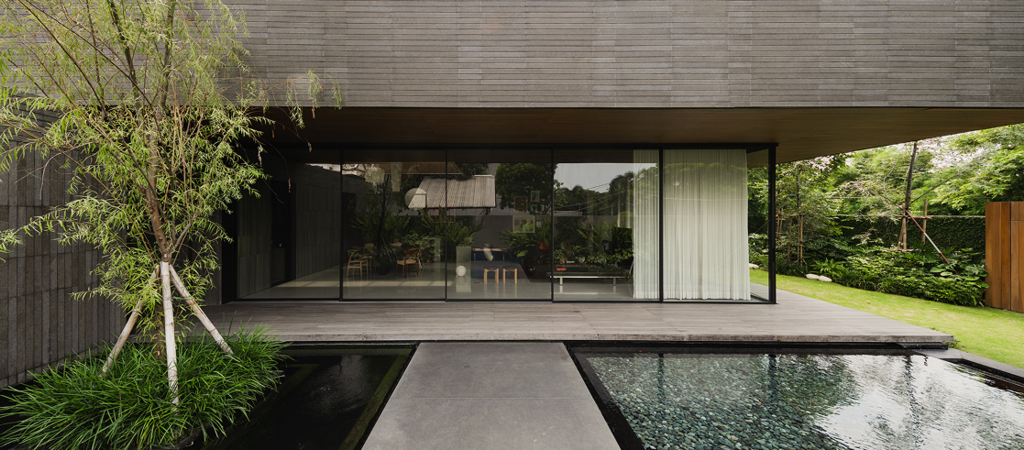
Design-wise, aluminium offers a strength-to-weight ratio few materials can match, enabling slim, minimal frames capable of supporting expansive glazing, curves, and multi-shaped configurations, all in a wide range of finishes and colors.
The Long-Term Value
While aluminium may carry a higher upfront cost than uPVC, its lifespan, often exceeding 70 years in construction applications (source: The Aluminum Association), combined with low maintenance and high resale value, makes it more cost-effective over a building's lifetime than steel or timber alternatives.
Engineered by MiLL Aluminium
At MiLL Aluminium, this is exactly what our Sliding, Fix Window, Swing, and Classic Series are engineered to deliver: precision-fabricated systems that combine durability, sustainability, and design flexibility, built for the modern homes and buildings of tomorrow.